
Coleus forskohlii extract sells on one number, the forskolin percentage. Ten, twenty, forty. Buyers compare quotes line by line and pick the cheapest 20 percent. Six months later the capsules cake, or the residual solvent line on the new COA looks different from the first one.
The percentage matters, but it is one line in a spec with a dozen. Here is how the powder is made, and which lines decide whether lot two matches lot one.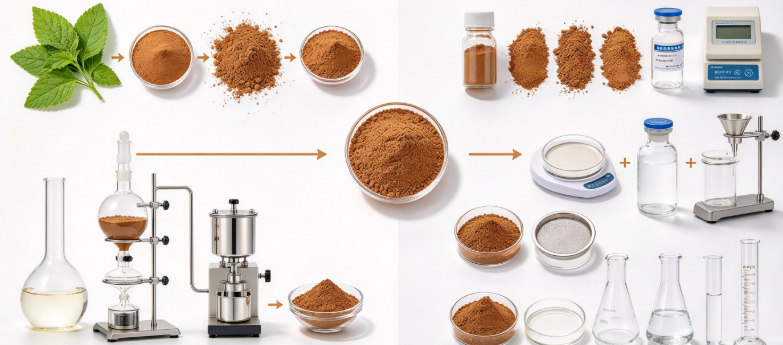
Forskolin sits in the root of Coleus forskohlii, a mint family plant grown mainly in India, Nepal, Thailand, Sri Lanka and parts of Brazil. Leaves and stems carry very little, so any spec that says whole plant is a warning sign. The plant part should read root.
Root content shifts with cultivar, soil and harvest age, and that passes straight into the powder. A supplier with fixed growers will show steadier lots than one buying on the open market each season. Ask how incoming root is checked.
Forskolin is a diterpenoid that barely dissolves in water, so water extraction leaves most of it behind. Ethanol and methanol recover far more, and ethanol is the safer choice for ingestible products. The liquid is then filtered, concentrated and dried into a light brown to brown powder.
That is why coleus forskohlii root extract should be judged on its residual solvent result as much as its assay. Ask for the solvent named in writing and a per lot result against ICH or USP limits.
It also explains the solubility line on every spec, soluble in alcohol and insoluble in water. That is normal. It means the powder belongs in capsules, tablets, softgels and gummies, not clear drinks.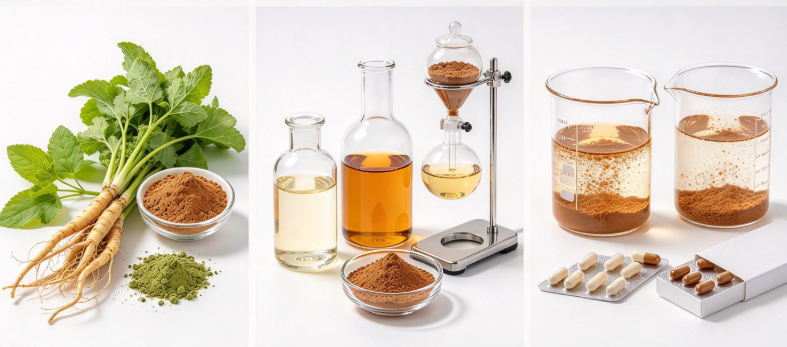
Most supplement powders sit at 10 or 20 percent forskolin by HPLC. Forty percent exists for tighter fill weights. Grades near 98 percent are purified material for pharmaceutical and reference use, priced to match.
Some listings show a ratio such as 10:1 or 50:1. That only says how much dried root went in, not how much forskolin came out, so never compare a ratio quote against a percentage quote. Insist on the HPLC assay, ideally with the chromatogram, plus a TLC identification as a second check on the plant.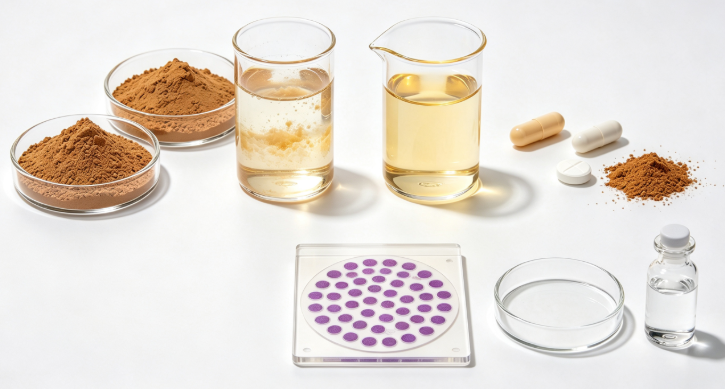
A coleus forskohlii extract powder that runs well in production usually shows lines like these:
Mesh and bulk density decide how the powder flows into a capsule machine, so ask for them even if your formulator does not. Color should stay in the same light brown to brown range from lot to lot. A shelf life of about 24 months is usual when the powder is kept sealed and dry.
Order a small lot, run a trial fill and keep a retained sample of every lot. If the next shipment looks or flows differently, you will see it right away.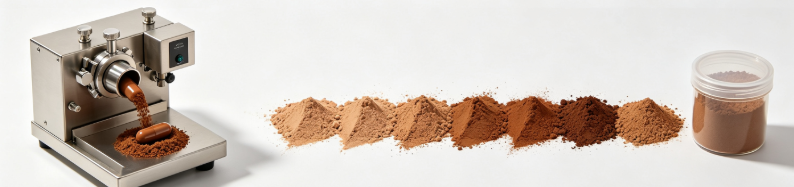
1、Which plant part is used?
The root, where forskolin is concentrated. Leaves and stems contain very little.
2、Does the powder dissolve in water?
No. It is soluble in alcohol and insoluble in water, so it suits capsules, tablets, softgels and gummies.
3、What does a 10:1 ratio tell me?
Only how much dried root went into one part of extract. It does not give the forskolin percentage.
If you want an extract with the lot data to back the label, take a look at our premium bulk coleus forskohlii extract. We supply it with complete COA documentation and clearly defined product specifications. Sample requests and quotes are available directly from our sales team.





