
Open a bag of flax seed powder that looks perfectly fine, smell it, and sometimes you get paint. Or old crayons. That sharp, bitter note means the oil has oxidized, and it is the biggest quality problem in this ingredient.
It usually has little to do with the seed itself. It is about what happened after milling.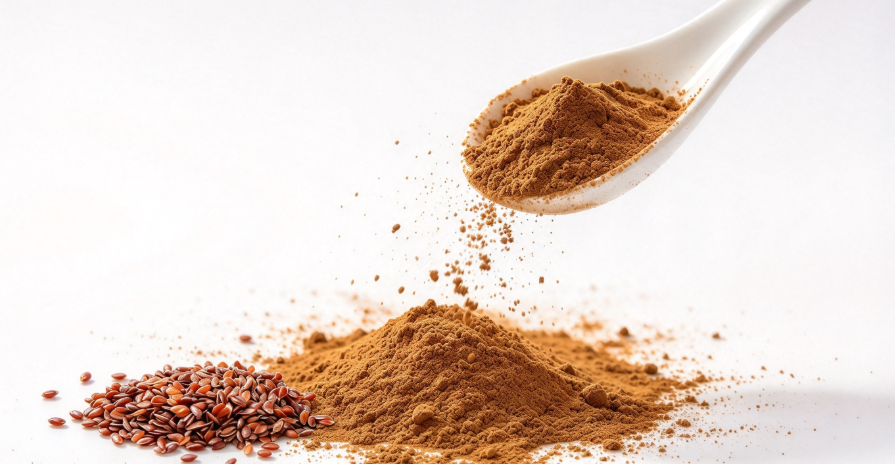
Flax oil is rich in omega-3, and omega-3 fats are fragile. A whole seed protects its oil inside the hull. Milling breaks that protection and exposes a large surface to air, so oxidation speeds up.
Heat during grinding speeds it up further. That is why cold milling matters. A mill that runs hot can damage the powder before it ever leaves the factory. Ask how the powder is milled and at what temperature, and pay attention to how specific the answer is.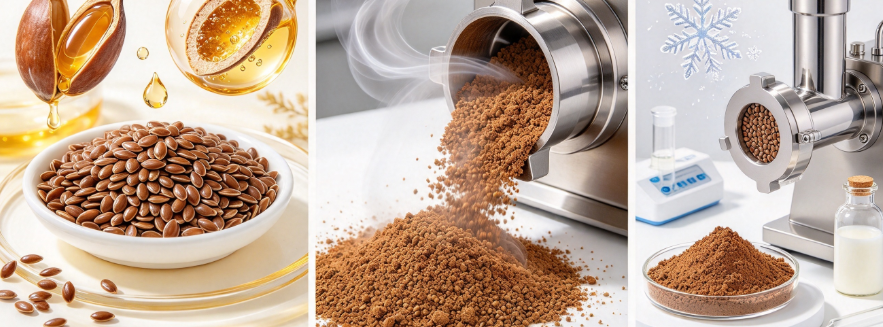
Full fat milled flax keeps all the oil and gives the richest nutrition profile, but it has the shortest shelf life.
Defatted flax powder has most of the oil pressed out, so it stores far better. It suits bars, bakery and protein blends where fiber and protein matter more than oil.
Golden seed gives a lighter color and milder taste for pale baked goods. Brown seed is more common and more economical.
If you want a concentrated ingredient rather than a food powder, flax seed extract is a separate product. It is usually standardized to a marker such as lignans and sold on that number, not as a whole food. Do not mix the two up on a purchase order.
When you source bulk flax seed or milled powder, ask for peroxide value and acid value on the COA. Those two numbers show how oxidized the oil is, and they tell you more than a quick sniff of a sample.
Then check moisture, mesh size and heavy metals per lot. Flax can take up cadmium from soil, so lot reports matter more than a yearly certificate.
Packaging should limit oxygen, ideally nitrogen flushed in foil lined bags, and the storage room should stay cool. Look at the manufacturing date, not only the best before date.
Before you commit, keep a sample at room temperature for a few weeks and smell it again. Powder that holds up in your own conditions is the one worth ordering.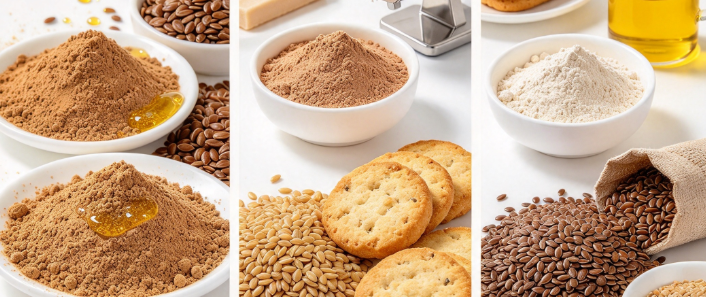
1、What is peroxide value and why does it matter?
It measures early oil oxidation. A low value on the COA means fresher oil and a longer usable life.
2、Is cold milled flax better?
Yes for fat retention. Lower grinding temperature slows oxidation and keeps the aroma mild and nutty.
3、How long does milled flax keep?
Full fat milled flax keeps best sealed, cool and oxygen limited. Defatted grades last noticeably longer.
If you want flax powder with a clear milling and storage record, take a look at our premium milled flax seed powder. We supply it with complete COA documentation and clearly defined product specifications. Sample requests and quotes are available directly from our sales team.





