
Safflower has been cultivated for thousands of years. The ancient Egyptians used it as a textile dye. Traditional Chinese medicine has used the dried florets for centuries. Today it shows up in supplements, cosmetics, food coloring, and industrial applications.
The problem is that "safflower extract" on a spec sheet or purchase order can mean several very different things depending on which part of the plant was processed and why. Flower extract and seed extract are not interchangeable materials. They have different active compounds, different standardization markers, different applications, and different price points. Confusing them is an easy mistake that costs time.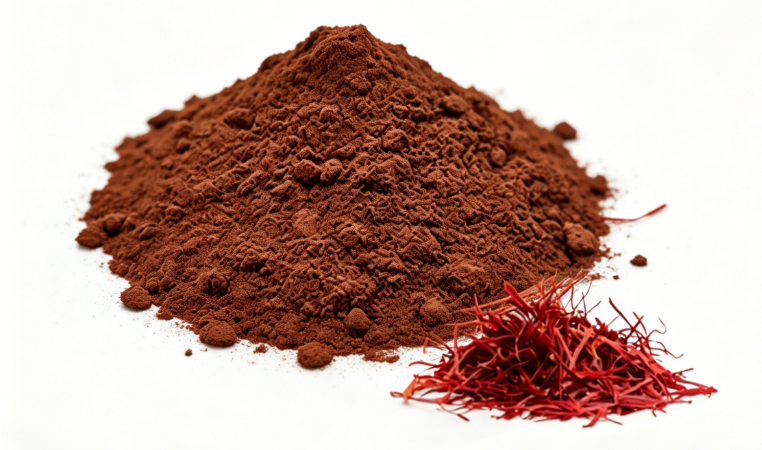
Carthamus tinctorius flower extract is standardized primarily for Hydroxysafflor Yellow A — HSYA — a chalcone glycoside responsible for the plant's characteristic yellow pigment. HSYA is the marker compound for flower-derived safflower extract in both supplement and cosmetic applications. A quality flower extract COA should specify HSYA content by HPLC, typically ranging from 20% up to 70% depending on the intended application.
Safflower seed extract is an entirely different material. The seeds are an oilseed crop — the primary commercial product from safflower cultivation globally is actually the oil, not the flower extract. Seed-derived material is standardized for fatty acid composition, particularly linoleic acid content, and for vitamin E. The supplement and cosmetic industries use seed oil and seed extract for moisture retention, antioxidant activity, and skin barrier support — functions that have nothing to do with HSYA.
When a buyer asks for "safflower extract" without specifying plant part, they can easily end up with the wrong material. The INCI name on a cosmetic formula tells you which one you have: Carthamus Tinctorius Flower Extract versus Carthamus Tinctorius Seed Extract are two separate listed ingredients in cosmetic databases.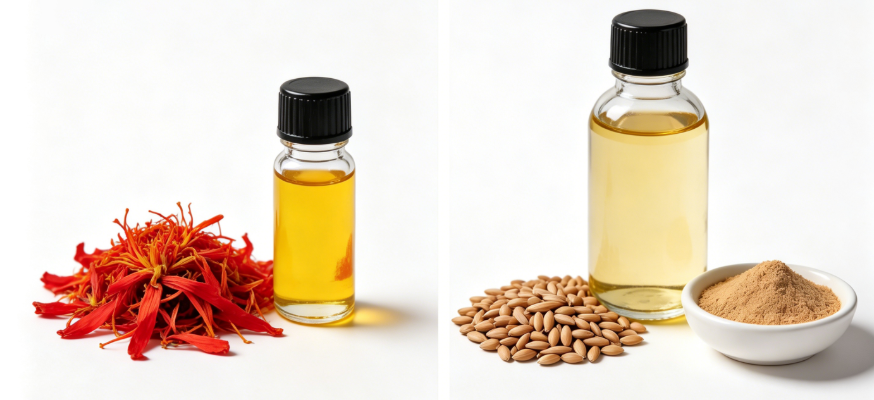
The cosmetics industry is the largest commercial application for flower-derived safflower extract. HSYA and the associated flavonoid fraction show antioxidant activity relevant to photoaging, and the natural yellow pigment from carthamus has a long history as a cosmetic colorant before synthetic dyes became dominant. Some cosmetic formulators are returning to natural pigment sources, and safflower flower extract is part of that conversation again.
Food coloring is the other significant application for the flower fraction. Carthamin — the red pigment from safflower petals — and safflomin — the yellow fraction — have been used as natural food colorants in Asian markets for centuries. Japan in particular has a long commercial history with safflower as a natural dye for confectionery and traditional foods. As synthetic dye restrictions tighten in various markets, natural alternatives including safflower extract are getting more attention from food manufacturers.
Dietary supplements use safflower powder and extract in several formats. The flower extract appears in formulations targeting circulation support and women's wellness applications where the ingredient has traditional use backing. The seed oil fraction shows up in softgels and oil-based supplements where essential fatty acid content is the selling point.
Traditional Chinese medicine pharmaceutical applications — Carthami flos, the dried floret — represent a substantial commercial category in Chinese domestic markets. Material going into TCM pharmaceutical production has stricter documentation requirements than standard supplement grade.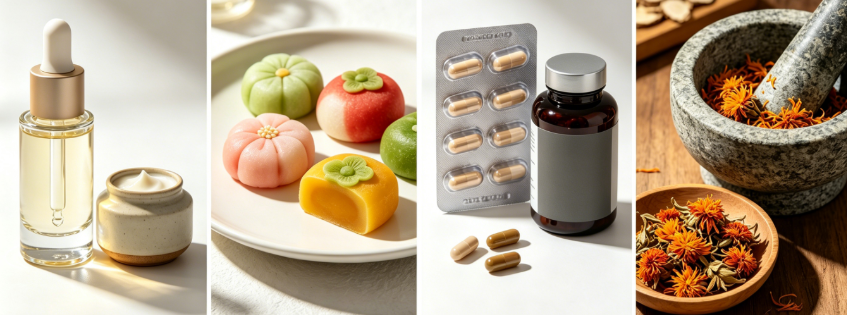
Plant part specification is the most important line on any safflower extract purchase order. It needs to say flower or seed — not just "safflower extract." Any supplier who cannot immediately tell you which plant part their extract comes from is not worth working with.
Harvest timing affects HSYA concentration in flower-derived material. Florets harvested at peak bloom contain the highest pigment and flavonoid levels. Post-bloom material yields a less potent extract regardless of how the processing is optimized downstream. Asking about harvest timing and whether the supplier has raw material traceability back to the growing region is a reasonable quality question.
Extraction solvent matters for cosmetic-grade material specifically. Water extraction produces a more water-soluble product suitable for aqueous cosmetic bases. Glycerin-based extraction gives better compatibility with certain formulation systems. Solvent choice should match the intended end application — a cosmetic formulator needs this information to predict how the extract will behave in their formula.
Color consistency is a practical indicator of batch quality for flower extract. The yellow pigment intensity should be consistent between lots if the raw material sourcing and processing are under control. Significant color variation between batches points to inconsistent raw material or process issues worth investigating before approving a supplier.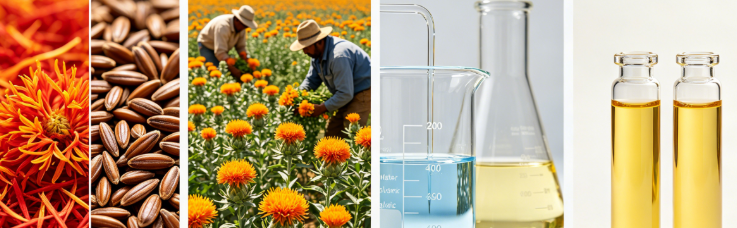
We supply safflower extract with complete COA documentation and clearly defined product specifications. Sample requests and quotes are available directly from our sales team.





