
Here's a confession: I used to throw away pomegranate peels. You know, the tough, bitter, leathery skin that protects all those juicy ruby seeds? Straight into the compost. Never thought twice about it. Then someone told me that pomegranate peel extract is actually the most powerful part of the fruit. More antioxidants than the seeds. More punicalagins. More of the stuff that makes pomegranate famous for heart health, skin health, and fighting inflammation. I'd been throwing away the good part for years. Felt like a fool.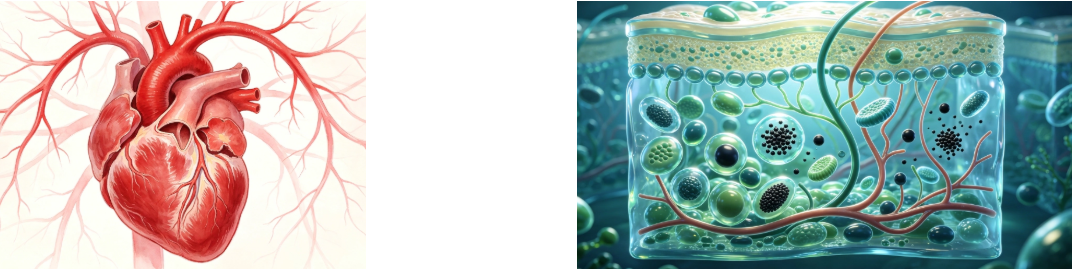
The thing about pomegranate peel powder is that it tastes exactly how you'd expect a peel to taste. Bitter. Astringent. Slightly like licking a tree. Nobody is sprinkling this on their yogurt for fun. But benefits of pomegranate peel powder are real. The peel contains higher concentrations of ellagitannins and punicalagins than the arils (the juicy bits). Those are the compounds that give pomegranate its superfood status. So yes, you're eating the part that tastes like regret. But your body thanks you.
I once asked a supplement manufacturer why she uses pomegranate peel supplement instead of just the fruit extract. She laughed. "Because the peel is cheaper. It's a byproduct. The juice industry takes the arils and throws away the rest. I buy the leftover peels for pennies, process them into pomegranate peel extract powder, and sell it for dollars." She shrugged. "Also, it's more potent. So my customers get better results. Win-win."
The process of making pomegranate peel extract is straightforward but picky. The peels need to be dried quickly after juicing, or they mold. Low-temperature drying preserves the active compounds. High heat destroys them. Then the dried peels are ground into pomegranate peel powder or extracted with solvents to concentrate the good stuff. The cheap version? Brown, dusty, smells like old compost. The good version? Reddish-brown, slightly sweet aroma, and actually contains what the label promises.
I visited a facility in Turkey where they process pomegranate peels from the juice industry. The manager showed me piles of dried peels. "This used to be waste," he said. "Now it's pomegranate peel extract. Farmers get paid for something they used to burn." He handed me a sample of the powder. I tasted it. Bitter. "See? That's the tannins. That's what works. If it tasted good, it wouldn't be potent."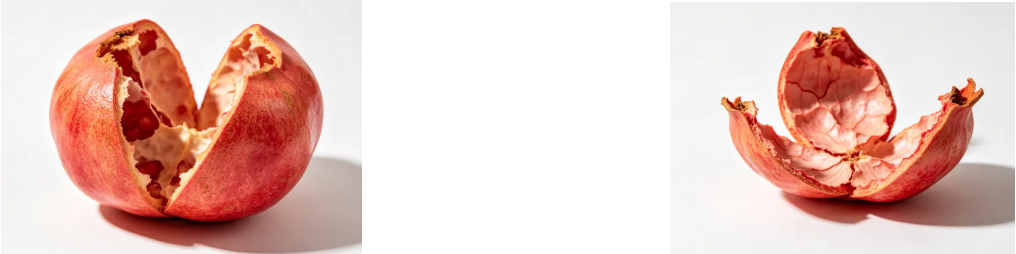
A skincare formulator once told me why she uses pomegranate peel in her anti-aging cream. "The peel has more ellagic acid than the seeds. Ellagic acid helps protect collagen. So my customers get firmer skin." She paused. "Also, I can charge more because 'pomegranate peel extract' sounds fancy. Nobody needs to know it was trash yesterday."
If you're sourcing pomegranate peel extract powder, don't expect it to be delicious. Expect it to be effective. Look for a reddish-brown color, not gray or black. Ask about the source—are the peels fresh from juicing or old and dried out? Ask about processing temperature. And remember: the part of the fruit everyone throws away might be the part your customers actually need.
FAQ
1. Can I just dry pomegranate peels at home and grind them into pomegranate peel powder myself?
You can, but it won't be as concentrated as a commercial pomegranate peel extract. Home-dried peels contain fiber and cellulose, not just the active compounds. Plus, commercial extracts are standardized to specific levels of punicalagins and ellagic acid. Your DIY powder is fine for tea or smoothies, but for supplements, buy the real thing.
2. Is pomegranate peel supplement safe for long-term use?
Generally yes. Pomegranate peel extract has been used in traditional medicine for centuries. However, the high tannin content can cause stomach upset in some people, especially on an empty stomach. Start with a smaller amount and take with food. If you're pregnant, nursing, or on blood pressure medication, ask your doctor first.
3. How should I store pomegranate peel extract powder to keep it fresh?
Store in a sealed, light-blocking container away from heat and moisture. The active compounds degrade with light and humidity. A cool, dark cupboard is fine. For long-term storage, refrigeration is better. Don't leave it in a hot warehouse or a sunny kitchen window. Properly stored, pomegranate peel powder can last 18-24 months.


