
Let's be honest: nobody wakes up craving wheat protein powder. You crave pancakes. You crave bacon. You crave that leftover pizza from last night. But wheat protein? It's the nutritional equivalent of eating the heel of a loaf—dry, chewy, and vaguely disappointing. And yet, here we are, talking about it. Because wheat protein powder has one superpower that pea, rice, and soy can't match: it makes things chewy in a way that omnivores actually like.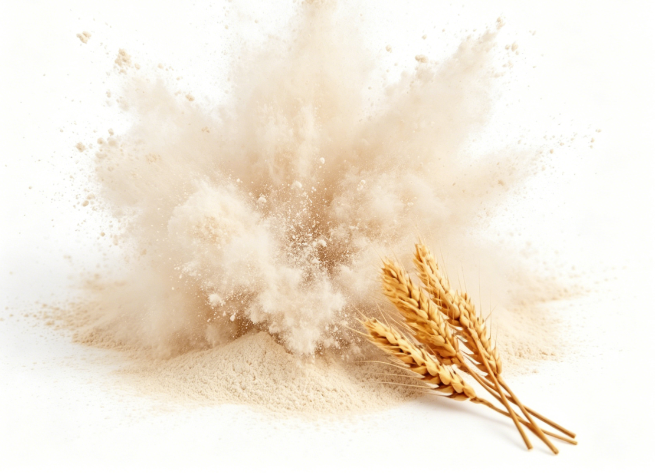
I once asked a food scientist why veggie burgers made with wheat protein extract have that satisfying bite, while pea-based burgers feel like mushy cardboard. "Gluten," he said. "Wheat protein is gluten. Love it or hate it, gluten gives structure. It holds together. It stretches. Pea protein just sits there." So if you're making plant-based meat, wheat protein supplement isn't optional. It's essential. The downside? Some people can't eat gluten. For them, wheat protein powder is a hard no. For everyone else, it's the secret to a burger that doesn't fall apart on the grill.
Here's the thing about cream of wheat protein powder—which is just a fancy name for the same stuff—it's not a complete protein. It's low in lysine. That's fine if you're eating it with beans or dairy. But if you're relying on 100 wheat protein alone for your amino acids, you're going to have a bad time. Pair it with pea or soy, and suddenly you've got a complete profile. Alone, it's like a band with no drummer. Functional, but missing something.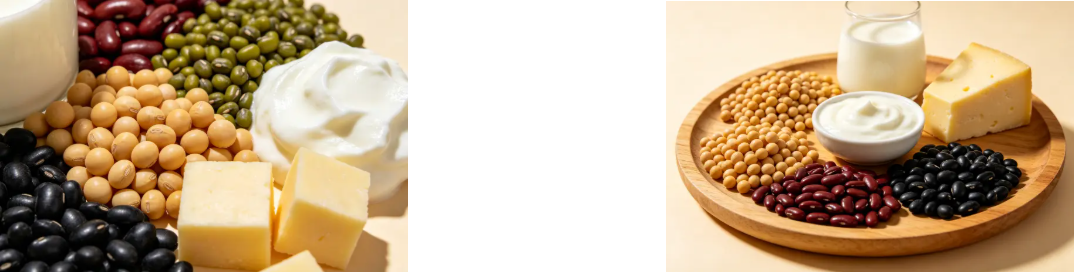
I visited a facility in Kansas where they make wheat peptide from the leftover starch after milling flour. The manager showed me a pile of what looked like dried glue. "This is wheat protein powder before we grind it," he said. "Looks terrible. Works great." He handed me a piece. It was tough as leather. "That's what your veggie chicken nuggets are made of," he said. I stopped eating veggie chicken nuggets for a week.
The market for wheat protein has grown because plant-based meat is growing. Impossible, Beyond, all the store brands—they use wheat protein for texture. But the average consumer doesn't know that. They see "wheat" and think "bread." They don't think "structural integrity of my fake sausage." So if you're selling wheat protein supplement to brands, don't talk about amino acids. Talk about chew. Talk about bite. Talk about the difference between a burger that holds together and a burger that turns into mush.
A quality manager once told me their incoming test for wheat protein powder is the "stretch test." "Mix it with water, knead it, pull it," he said. "If it stretches like taffy, it's good. If it breaks, it's trash." Not scientific. But more useful than a CoA for predicting how it will perform in a plant-based hot dog.
If you're sourcing wheat protein extract, remember: it's gluten. If your customer is gluten-free, don't even mention it. If they're making plant-based meat, it's their best friend. And if they ask why it's cheaper than pea protein, tell them: because it's been around forever. Wheat is the old reliable. It's not trendy. But it works.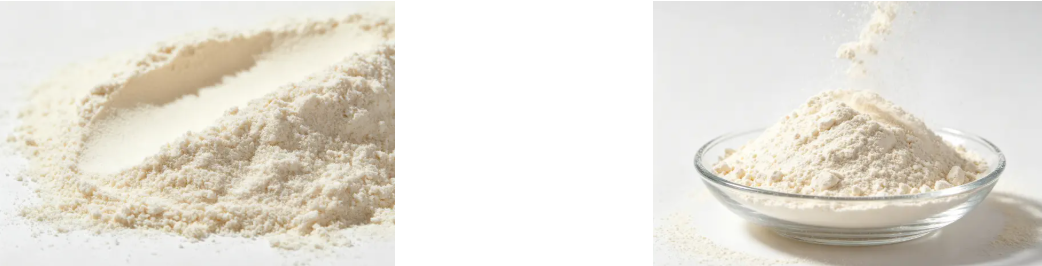
FAQ
1. Is wheat protein powder the same as gluten?
Yes. Wheat protein is essentially vital wheat gluten. It's the protein fraction extracted from wheat flour. So if someone is celiac or gluten-sensitive, avoid it. For everyone else, it's fine.
2. Is wheat protein a complete protein?
No. It's low in lysine. That's why wheat protein supplement products often blend it with pea or soy. Alone, it won't give you a complete amino acid profile. Pair it with legumes.
3. What's wheat peptide and how is it different?
Wheat peptide is hydrolyzed wheat protein—broken down into smaller chains. It dissolves better and absorbs faster. Used in sports nutrition and clinical nutrition. Standard wheat protein is for texture. Wheat peptide is for quick absorption.
4. How does cream of wheat protein powder compare to regular?
Same thing. "Cream of Wheat" is a brand name, not a different ingredient. Don't pay extra for a fancy label.
5. What certifications should I look for when sourcing wheat protein?
Non-GMO is standard. Organic is available but more expensive. GMP, ISO, kosher, halal depending on market. For gluten-free products, obviously not applicable. For plant-based meat, no special certs needed.


