
You've seen it labeled as "eleuthero" on some supplement bottles. Siberian ginseng extract isn't actually a true ginseng. It comes from a different plant called Eleutherococcus senticosus, a woody shrub native to parts of Russia, China, Japan, and Korea. People have used siberian ginseng root for generations, especially in traditional Chinese and Russian medicine. But what does the extract actually do, and why do manufacturers buy siberian ginseng extract powder in bulk?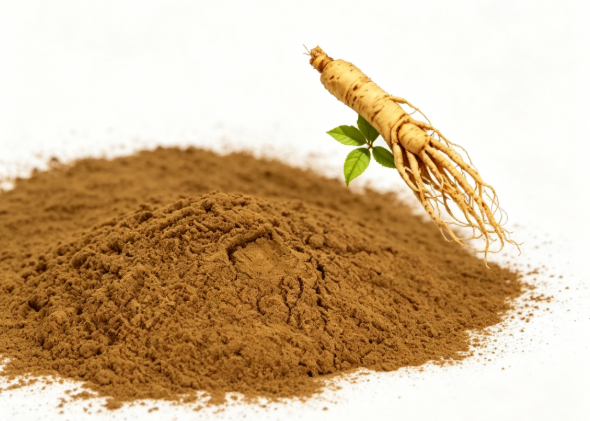
First, let's clear up the name confusion. True ginseng (Panax species) contains ginsenosides. Siberian ginseng extract contains a different set of active compounds called eleutherosides. The two plants are not the same, but they're often used for similar purposes. That's why you'll find siberian ginseng root extract next to Panax products in the supplement aisle.
The primary reason people use siberian ginseng supplement is for endurance and stress management. It's classified as an adaptogen, which means it's thought to help the body handle physical and mental strain. Unlike caffeine, which gives a short burst of energy, siberian ginseng powder is more about long-term resilience. Office workers, athletes, and shift workers sometimes take it to combat fatigue and maintain focus.
Another application is immune support. Some studies suggest that siberian ginseng extract can support the body's natural defenses, especially during periods of high stress or seasonal changes. That's why you see siberian ginseng root powder in many immune blends along with elderberry and vitamin C.
From a manufacturing perspective, siberian ginseng extract powder is typically standardized to eleutheroside B and eleutheroside E. Common specs are 0.8% total eleutheroside content. The powder is usually light brown to tan and has a characteristic earthy smell. A quality siberian ginseng root should be free from heavy metals and microbial contaminants, with third-party testing available.
Who buys siberian ginseng extract in bulk? Supplement brands making adaptogen formulas, stress support products, endurance blends, and immune health supplements. Some functional food and beverage companies also use siberian ginseng powder in energy bars, shots, and teas.
One thing to keep in mind when sourcing siberian ginseng root: the plant is slow-growing and typically wild-harvested or cultivated in specific regions. Russia and China are major sources. Sustainable sourcing matters because demand has increased over the years.
Does siberian ginseng supplement actually work? The research is mixed but promising for specific uses like fatigue reduction during stress. It's not a stimulant. You won't feel an instant jolt. Instead, regular use over weeks may help with overall vitality. That's why it's popular in daily wellness formulas rather than pre-workout products.
If you're considering adding siberian ginseng extract to your product line, it's a well-known ingredient with a long history and decent consumer recognition. The adaptogen market continues to grow, and siberian ginseng root extract remains a staple.
FAQ
1. Is siberian ginseng extract the same as Panax ginseng?
No. They are different plants with different active compounds. Siberian ginseng extract contains eleutherosides, while Panax ginseng contains ginsenosides.
2. How is siberian ginseng powder processed?
The roots are harvested, dried, and extracted using water or alcohol. The liquid is concentrated and dried into siberian ginseng extract powder.
3. What specifications should I look for when buying siberian ginseng root bulk?
Look for standardization to eleutheroside B and E (often 0.8%). Ask for HPLC data, heavy metal testing, and microbial analysis. The powder should be light brown to tan.
4. Can siberian ginseng supplement be used in beverages?
Yes, but solubility varies. Siberian ginseng extract powder can be used in capsules, tablets, and powdered drink mixes. For clear beverages, a water-soluble grade may be needed.


