
Walk into any ginkgo biloba supplement conversation and within five minutes someone will mention "24/6." It is the shorthand everyone uses, and most buyers nod along without fully understanding what it represents or why there is a third number that matters just as much — one that almost never gets mentioned upfront.
That third number is ginkgolic acid content. And it is where a lot of cheap ginkgo extract cuts corners.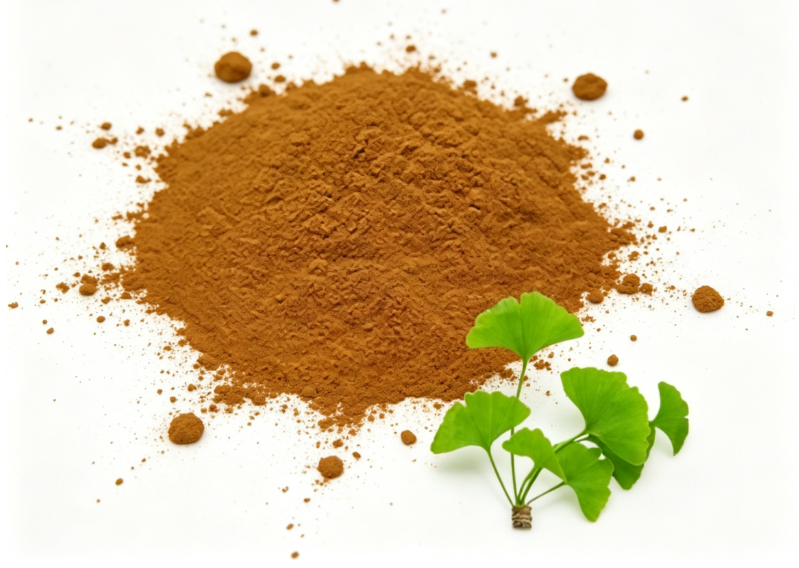
The global standard for ginkgo biloba extract is 24% flavonol glycosides and 6% terpene lactones. This specification was established through decades of commercial and regulatory use, and it is what the USP and European Pharmacopoeia reference as the benchmark for standardized ginkgo leaf extract.
Flavonol glycosides — primarily quercetin, kaempferol, and isorhamnetin — are the antioxidant fraction. They support circulation, help neutralize free radicals, and contribute to the overall protective properties ginkgo biloba powder is known for in supplement formulations.
Terpene lactones are the fraction unique to ginkgo — ginkgolides A, B, C, and J, plus bilobalide. These compounds support blood flow and cognitive function and are what makes ginkgo biloba leaf extract distinctive from other antioxidant botanicals. The 6% terpene lactone spec typically breaks down to roughly 3.1% ginkgolides and 2.9% bilobalide, though the exact ratio varies by extraction batch and some COAs specify these separately.
Understanding what you are buying beyond just the headline percentages helps when comparing quotes from different suppliers — two COAs both saying "24/6" can represent quite different materials depending on how the extraction and purification were carried out.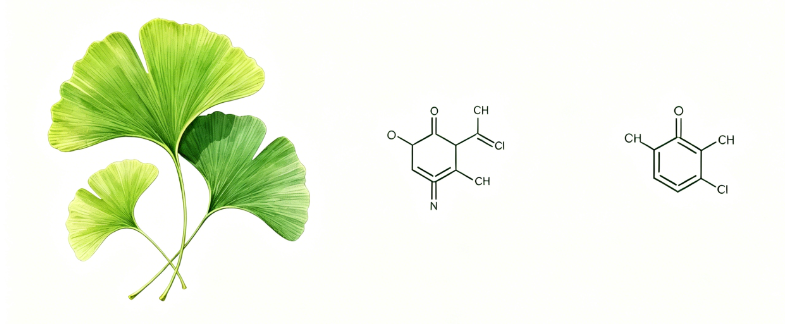
Ginkgolic acids are naturally present in ginkgo leaves and are toxic at elevated concentrations — they are skin sensitizers and cytotoxic compounds that need to be removed during processing. The European Pharmacopoeia sets a limit of 5 ppm. Some stricter buyers specify below 1 ppm for finished supplement products.
The issue is that removing ginkgolic acids requires additional purification steps that add cost. A supplier offering ginkgo biloba extract powder at a noticeably lower price than market average is worth questioning on this specific point. Ginkgolic acid testing is not always included on a basic COA — it requires specific analytical methods and some suppliers only provide it on request.
For any ginkgo biloba supplement product going to EU or US retail markets, ginkgolic acid content below 5 ppm is a regulatory expectation, not just a quality preference. Asking for lot-specific ginkgolic acid data before approving a supplier is straightforward and any serious manufacturer will have it.
The supplement application is obvious — ginkgo biloba extract 120 mg per serving is the most common retail dosage format, typically two 60 mg capsules standardized to the 24/6 spec. But the ingredient shows up in more formulations than that.
Functional beverages and nootropic drink mixes use ginkgo extract for both its active profile and its label appeal — it is one of the most recognized botanical names among consumers globally, which has real value for brands building a functional ingredient story.
Cosmetics is a smaller but growing application. The flavonoid fraction shows antioxidant activity relevant to photoaging and the extract is water-soluble enough to work in aqueous cosmetic bases. Some European cosmetic brands have used ginkgo leaf extract in anti-aging serums and scalp care products for years.
Pharmaceutical applications in Europe — particularly in Germany and France — have a long history with standardized ginkgo preparations as licensed herbal medicines. The regulatory pathway differs significantly from dietary supplements, and material used in pharmaceutical contexts typically requires additional documentation beyond standard supplement COAs.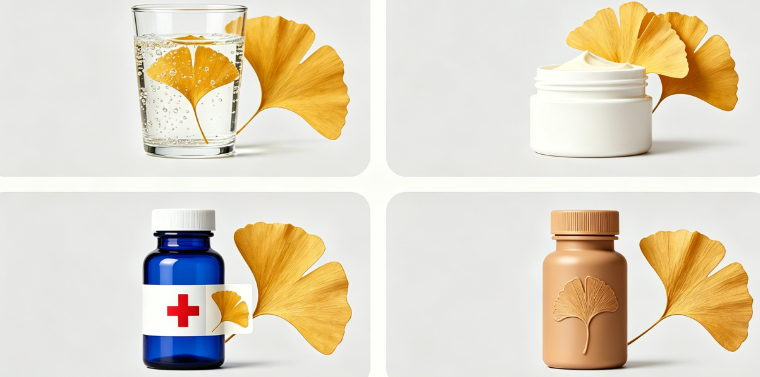
China produces the vast majority of global ginkgo biloba extract supply — Jiangsu, Shandong, and Guangxi are the main cultivation regions. Ginkgo trees require years to mature before leaves can be harvested commercially, which means raw material supply is less flexible than annual crops. Price volatility follows harvest quality and seasonal conditions.
Leaf harvest timing matters for active compound concentration. Leaves collected in late summer to early autumn before senescence contain higher flavonol glycoside and terpene lactone levels than leaves harvested at other times. A supplier who can tell you the harvest date of their raw material is demonstrating a level of supply chain visibility worth appreciating.
For buyers comparing ginkgo biloba powder price across suppliers, the relevant comparison points are: ginkgolic acid specification, whether terpene lactones are broken down into ginkgolide and bilobalide fractions on the COA, and whether pesticide residue testing is included. Price differences that cannot be explained by these variables are worth investigating before committing to a volume order.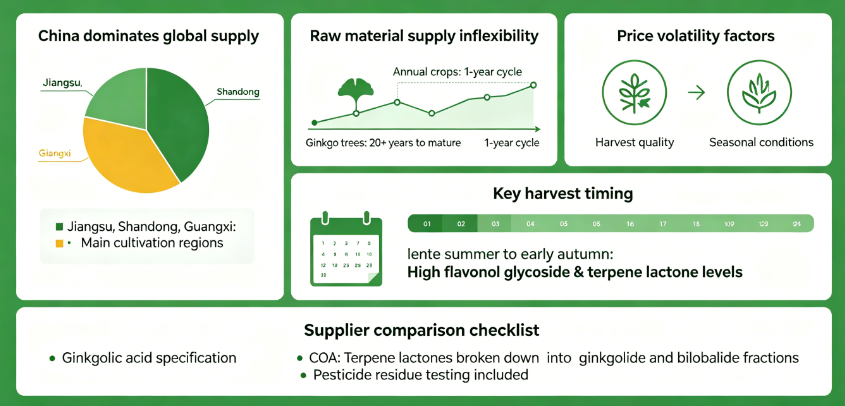
We supply ginkgo biloba extract with complete COA documentation and clearly defined product specifications. Sample requests and quotes are available directly from our sales team.


